
Running a successful restaurant goes far beyond crafting delicious food and delivering outstanding service. Behind every compliant, efficient kitchen is a disciplined commitment to restaurant equipment maintenance. When commercial kitchen equipment is properly serviced and inspected on a regular schedule, it directly supports food safety compliance and protects both your customers and your business.
The Connection Between Equipment Condition and Food Safety
Most restaurant owners understand that cleanliness is essential, but equipment condition plays an equally critical role in keeping food safe. When kitchen equipment fails to operate within proper temperature ranges, or when worn components allow bacteria to accumulate in hard-to-reach areas, the risk of foodborne illness increases significantly.
Refrigeration units that run even a few degrees too warm can push perishable foods into the danger zone where bacteria multiply rapidly. Cooking equipment that does not reach or maintain accurate temperatures can leave food undercooked and unsafe for consumption. Ventilation systems clogged with grease buildup become fire hazards and compromise air quality throughout the kitchen. Each of these scenarios stems from neglected food service equipment maintenance, and each one carries real consequences in a health inspection or, worse, a contamination event.
Health inspectors evaluate not just surface cleanliness but the overall condition and performance of your equipment. A refrigerator with a broken door gasket, a dishwasher that cannot reach sanitizing temperatures, or a prep table with cracked surfaces can all result in violations. Consistent commercial kitchen equipment maintenance reduces these risks and keeps your operation in alignment with local health codes and federal food safety guidelines.
Why Preventive Maintenance Is a Food Safety Strategy
Many operators fall into a reactive mindset, only calling for repairs when something breaks down completely. This approach is costly and dangerous in a food service environment. Preventive restaurant equipment maintenance is not just a cost-saving measure; it is a genuine food safety strategy.
When you schedule routine inspections and servicing, technicians can identify worn seals, failing thermostats, and calibration issues before they become critical. A freezer that is slowly losing its cooling efficiency may still appear to be working fine on the surface, but the internal temperature could be fluctuating in ways that compromise frozen inventory. Only a trained technician performing regular food service equipment maintenance checks will catch that kind of problem early.
Preventive maintenance also creates documentation. Service logs and maintenance records serve as evidence of due diligence during health inspections. Regulators and auditors want to see that you are proactively managing your equipment, not waiting for failures to happen. Having a well-maintained paper trail demonstrates that food safety compliance is embedded in your daily operations, not treated as an afterthought.
Beyond inspections, calibrating thermometers, checking door seals, descaling dishwashers, and cleaning condenser coils are all routine tasks that directly influence whether your kitchen meets food safety standards. Skipping these steps, even occasionally, introduces risk into a system that depends on consistency.
How Equipment Failures Lead to Compliance Violations
Understanding how equipment failures translate into compliance violations helps restaurant owners appreciate the stakes involved. The path from a neglected piece of equipment to a health code violation is shorter than most people realize.
Consider a commercial dishwasher that has not been properly serviced. Over time, mineral deposits build up inside the heating elements, reducing the machine’s ability to sanitize dishes at the required temperature. Plates and utensils leave the wash cycle appearing clean but carrying bacteria that proper sanitizing temperatures would have eliminated. This is a direct food safety compliance failure, and it is entirely preventable through routine commercial kitchen equipment maintenance.
Similarly, a poorly maintained ice machine can become a breeding ground for mold and bacteria. Ice is classified as a food by the FDA, and contaminated ice has been linked to outbreaks of illness in food service environments. Regular cleaning and sanitizing of ice machines is a standard component of any responsible restaurant equipment service program.
Grease traps that go uncleaned, exhaust hoods with accumulated grease, and oven burners that burn unevenly all contribute to an environment where food safety risks are elevated. These are not isolated issues; they are interconnected systems that require coordinated, scheduled maintenance to function correctly and safely.
What to Look for in a Restaurant Equipment Service Provider
Choosing the right service partner is essential for restaurants that take food safety compliance seriously. Not all maintenance providers offer the same level of expertise, and working with a qualified team makes a measurable difference in outcomes.
For restaurants seeking restaurant equipment service in Memphis, TN, it is important to find a provider with experience across a broad range of commercial kitchen equipment. From refrigeration and cooking equipment to ventilation systems and warewashing machines, a full-service provider can address all your maintenance needs under one consistent program. This eliminates the inconsistency that comes from working with multiple vendors who may not communicate with each other or maintain cohesive service records.
Look for a provider that offers scheduled preventive maintenance contracts, not just emergency repair services. A structured maintenance agreement ensures that every piece of equipment in your kitchen receives attention at the appropriate intervals. The provider should also offer detailed service documentation, which is invaluable during health inspections and insurance reviews.
Certifications and manufacturer training matter as well. Technicians who are trained on the specific brands and models you operate will be better equipped to identify issues that generic repair services might miss. Ask prospective providers about their technicians’ qualifications, their familiarity with local health codes, and their experience working with food service operations of your size and type.
For operators seeking restaurant equipment service in Memphis, TN, finding a locally based team means faster response times and technicians who understand the specific regulatory environment in which you operate. Local providers are also more invested in building long-term relationships, which translates into more attentive and consistent service over time.
Building a Culture of Maintenance and Compliance in Your Kitchen
Technology and service contracts will only take you so far. Sustaining food safety compliance over the long term requires building a culture where every member of your kitchen team understands the importance of equipment care.
Staff training is a critical component of this effort. Cooks, dishwashers, and prep staff should know how to identify signs of equipment trouble, such as unusual noises, inconsistent temperatures, or visible wear on seals and surfaces. They should understand why reporting these issues promptly matters and feel empowered to do so without hesitation.
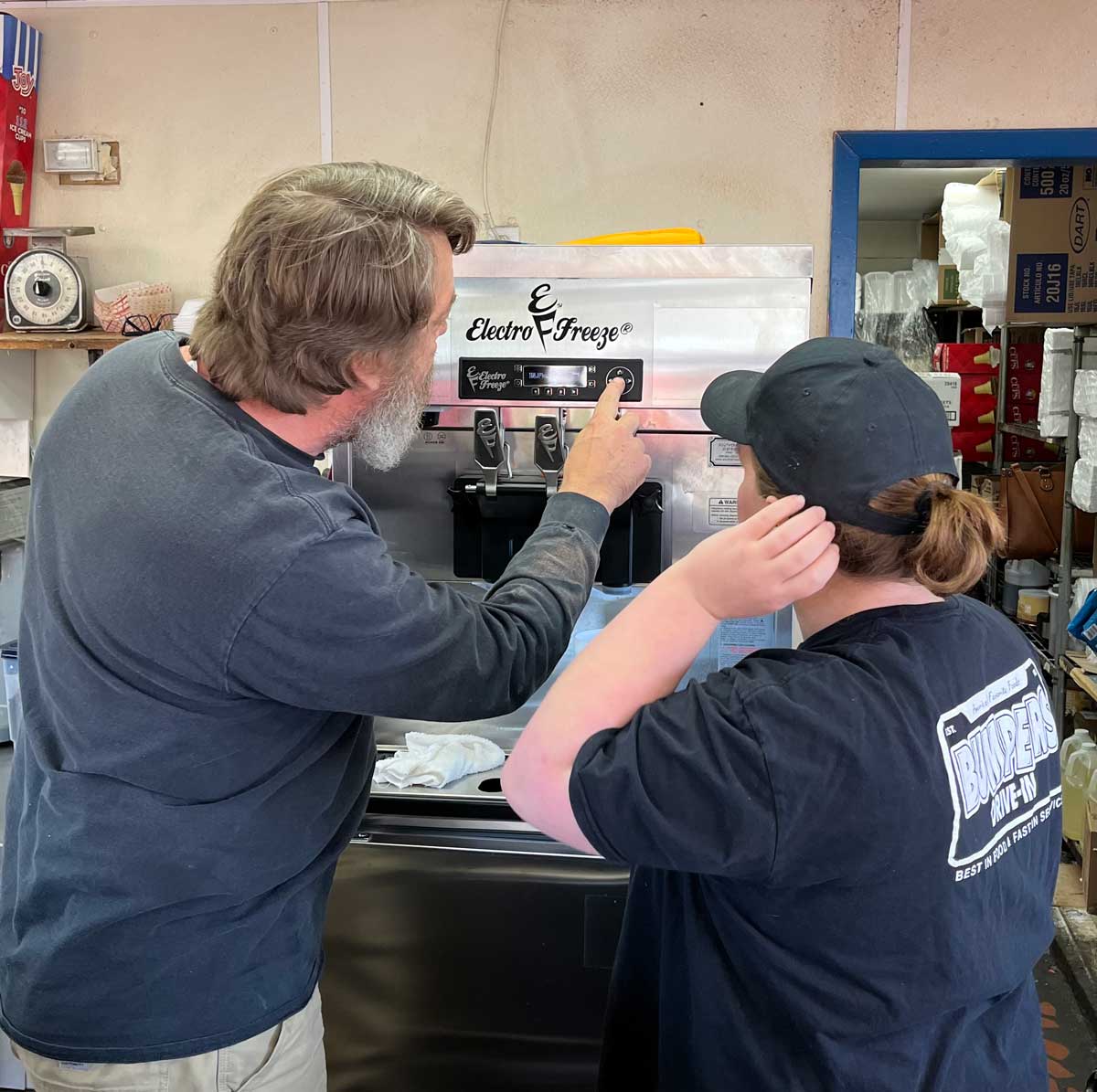
Daily cleaning protocols should be integrated with basic maintenance checks. Staff should be wiping down equipment and also logging temperature readings, checking gasket conditions, and flagging anything that looks out of place. These simple habits create a frontline monitoring system that catches problems early and reinforces the broader commitment to food service equipment maintenance across your operation.
Management plays a key role in sustaining this culture. When leadership prioritizes scheduled maintenance appointments, invests in proper cleaning supplies and tools, and holds staff accountable for equipment care, the entire team follows suit. Compliance should not feel like a burden imposed from outside. It should feel like a shared value that everyone in the kitchen owns together.
Conclusion
Restaurant equipment maintenance is one of the most direct investments a food service operator can make in food safety compliance. From preventing temperature failures to eliminating bacterial growth points, proper commercial kitchen equipment maintenance protects your customers, your staff, and your business reputation. Whether you are building out a new maintenance program or strengthening an existing one, the commitment you make to your equipment today is the commitment you are making to the safety of every plate that leaves your kitchen.
Need a Food Service Equipment Supplier Near You?
At Southern Equipment Distributors, we are committed to helping food service businesses stay fully equipped and running efficiently with dependable equipment, expert service, and quality replacement parts. From soft serve ice cream and margarita machines to refrigeration units, fryers, and hot food cases, we proudly support national brands and local businesses alike with trusted products and responsive customer care. If you are looking for reliable food service equipment solutions backed by experience and dedication, reach out to us today to learn how we can help support your business needs.